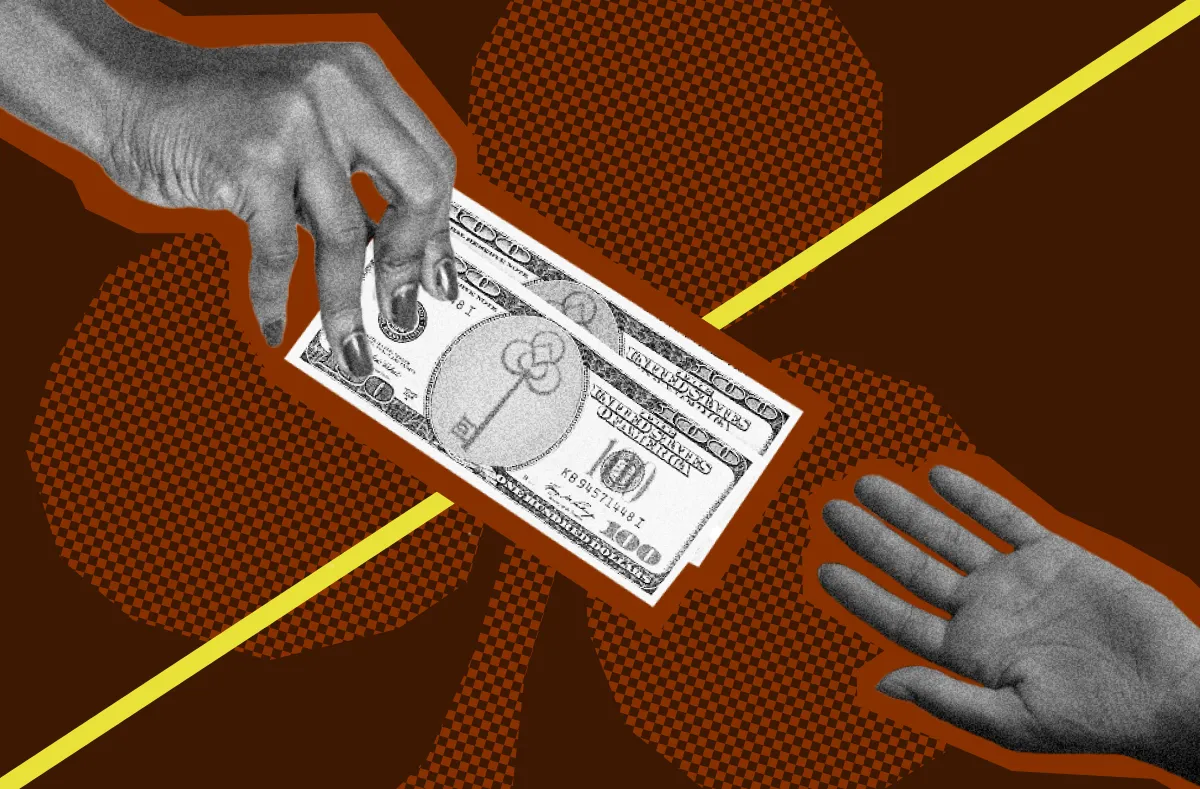
Your phone lights up at 10:04 p.m., and your thumb is moving before you've even read what it says. Giving in to that reflex tells the person on the other end how available you are. But what does that sense of urgency ultimately get you?
One recent survey put a number on that instinct. The 2025 ELMO Employee Sentiment Index found that 44% of women said they don't feel comfortable ignoring a work message once they're off the clock, compared to 31% of men.
At the table, delaying a work message until business hours would be called a slow play, a method for holding the strongest hand yet playing it small so it can take everything later. The slow play invites a specific skill: deciding what and to whom you give your attention, on your own clock.
The Strongest Hand Rarely Shows Itself First
A slow play means holding the best hand at the table and checking it, keeping the pace low-key, so the rest of the table keeps adding to the pot. Playing a good hand loudly and rapidly can scare everyone else into folding, which ends the hand before it can pay out. Checking keeps the table around long enough to collect on it.
The logic holds up in an inbox for the same reason. Answer the instant a message comes through, and the exchange is over before it’s had a chance to become anything more. Hold the reply, and that gap is where something better gets a chance to emerge, maybe more context or a clearer ask.
HR trend-watchers have landed on a word for what’s happening across workplaces this year: slowmaxxing, the deliberate choice to let messages wait once the workday ends. Most of us were trained to treat a fast reply as proof we're committed. That conditioning runs on autopilot until someone decides to override it. A slow play treats your time as the asset in play.
What Slow Replies Help You Reclaim
Holding your reply until the time is right or your availability is clear says something, before you've typed a word: you're not reachable the second anyone wants you, and your attention isn’t up for grabs.
The benefits of a slow play build over time. That first reply sets an expectation. A few more and it becomes a pattern. That intentional delay can bloom into a move everyone (rightfully) comes to expect from you.
Research Says…Get Your Rest
A 2026 study out of Auburn University and the University of Georgia tracked more than 300 employees for two weeks, logging how they spent their evenings hour by hour. Next-day performance tracked how quickly people switched off: those who began detaching within the first stretch of the evening came back sharper and more productive than those who dragged it out. Checking out with boundaries is the move with the better return.
The researchers found one catch: people who relaxed, then drifted toward checking email or messages, ended up more worn out and less productive the next day than people who simply stayed detached the whole evening. A half-measure cost more than committing either way. The slow play works similarly: it only pays off when you mean it.
The research points to three moves that make it stick:
- The moment you log off is the moment recovery starts. Watch a show, take a walk, make dinner, or whatever pulls your attention somewhere besides work.
- Pick something that takes real focus like a recipe, workout, or even playing an instrument. That's the kind of attention a feed can't compete with.
- A glance at your phone counts the same as a peek at the table: one look, and you're back in the hand.
The Slow Play You Can Run on Command
Call it ‘slow living’ if that's the phrase that calls to you. Strip the trend away and what's left is a mechanic — a strong hand, held back until it's worth more. It’s a repeatable play that outlasts whatever we're collectively calling it this season.
Next time you reach for the phone after hours, remember the trade off: a few seconds of looking responsive now, versus a sharper, more productive you tomorrow.

FREE DOWNLOAD
Read Our Confidence Guide
By proceeding you consent to receive marketing communications (such as newsletters, blog posts, webinars, event invitations, and new product updates), and targeted advertising from Poker Power from time to time. You can unsubscribe from our marketing emails at any time by clicking on the "Unsubscribe" link at the bottom of our emails. For more information on how we process your personal information and what rights you have in this respect, please see our Privacy Policy and Terms of Service.