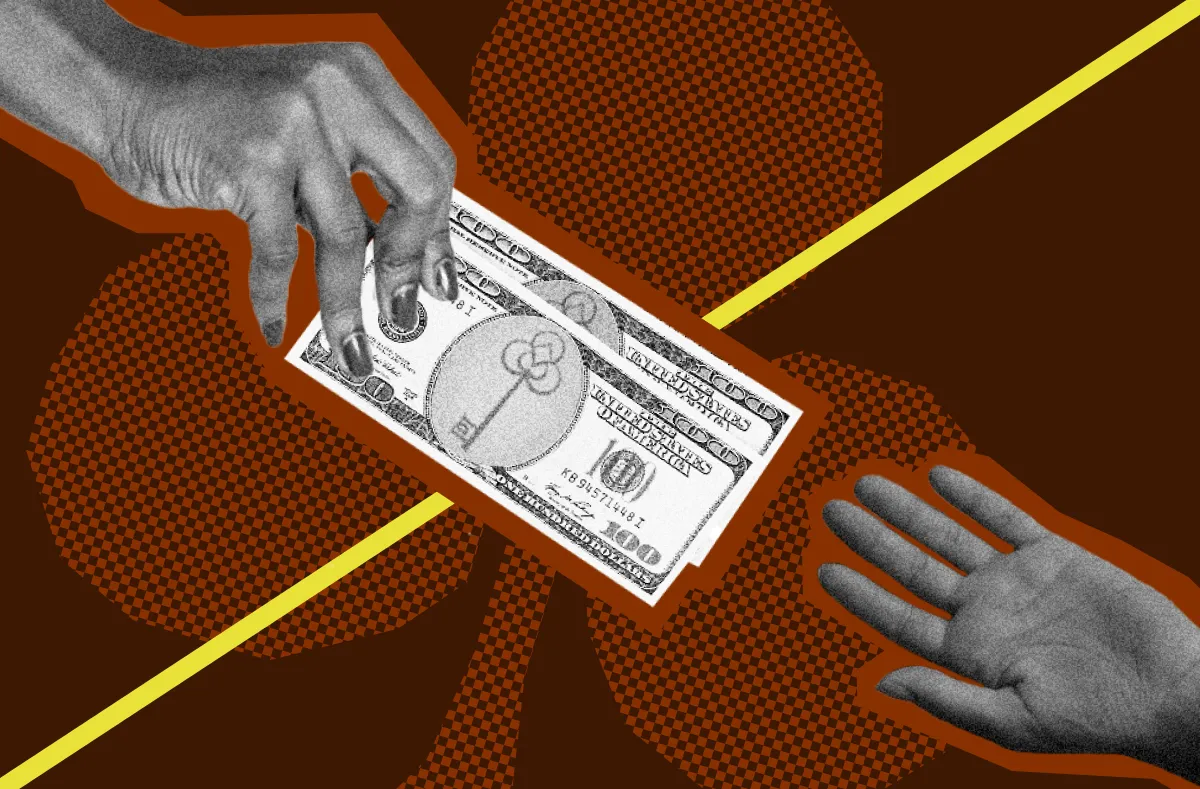
Let us guess… you attribute your success to pure luck, or simply your charm? Join the club! “84 percent of business owners report struggling with imposter syndrome at any given time,” reports Inc.
If your inner self critic is drowning out the sound of your true inner expert, know you’re in great company. Even the legendary Maya Angelou once famously shared, "I have written 11 books, but each time I think, ‘Uh oh, they’re going to find out now. I’ve run a game on everybody, and they’re going to find me out.’"
Imposter syndrome is a total head game, but it’s no match for one mind sport. Poker.
The Deal: Unmasking Your Mental Game
At its core, imposter syndrome is a psychological pattern. Folks caught in its grip constantly question their capabilities and achievements, chalking up wins to lady luck and losses to their incompetence, instead of a bad beat.
In the irony of ironies, this feeling can sometimes act as a psychological safety net, an unconscious attempt to guard against the dreaded f-word: failure. But more often than not, feeling like an imposter becomes the very thing that keeps us from going all in.
The Pre-Flop: What Makes Us Second-Guess Our Hand?
Imposter syndrome often springs from the very qualities that propel entrepreneurs to achieve remarkable feats. High achievers have high expectations of themselves (naturally).
A big player in this game is perfectionism. There’s a danger in using achievements to validate one’s worth. The higher the self-imposed bar, the more likely you are to question your competence if you fall short of flawless. Imposture syndrome is the lie that says you aren't even worthy of what you've achieved. It’s a recipe for burnout to overcommit to the endless pursuit of perfect. And this chase of the unattainable often leaves little room to celebrate your actual wins, perpetuating the cycle.
Setbacks, imagined or experienced, can also lead you to internalize self-doubt. Hitting a snag or getting some tough feedback can create a sticky mindtrap. You might falsely assume that any success that comes your way is simply a fluke, not a testament to your actual abilities. Hello nagging fear of failure!
Just like a seasoned poker player, founders know chance is part of the game. So how can you make damn sure you don’t shy away from taking necessary or calculated risks?
The Flop: The Qualities That Build a Winning Streak
This is where you flip the script. The journey from a founder wrestling with imposter syndrome to a confident CEO often mirrors the strategic plays at a poker table. It’s about cultivating specific qualities that empower you to own your wins and lead strong.
Some core qualities of a true leader include:
- Confidence: Entrepreneurs constantly need to speak up and communicate their vision with confidence. This isn't just about sounding sure of yourself; it's about building an internal conviction to overcome self-doubt. Self-assurance is the outward manifestation of that inner belief.
- Clear Communication: You need to clearly articulate your grand plan. Just as poker hones your communication, teaching you to convey your intentions, whether through a bluff or a strong hand, it's also vital for engaging your team, investors, and customers. It means having the guts to voice your ideas, ask for what you need, and lead discussions.
- Self-Awareness: Battling imposter syndrome fundamentally involves recognizing and understanding this internal struggle. Knowing your true feelings, strengths, and growth edges is crucial for managing imposter syndrome and projecting authentic confidence, not just a fake front.
- Courage to Build Something from Nothing: Entrepreneurship can be the ultimate leap into the unknown. This takes a deep belief in your ability to innovate and succeed, demonstrating vision and solid conviction through action.
- Growth Mindset: Overcoming imposter syndrome and consistently honing skills, whether through poker or business challenges, comes from a belief in your ability to develop and improve. A founder with a growth mindset views challenges as prime chances to learn and evolve, which naturally props up long-term confidence.
- Empathy and Active Listening: Sure, showing up confidently is the main play, but the real power players also genuinely listen and care about others. Think of a pro reading the room at the poker table. They're not just focused on their own hand; they tune in, assess the atmosphere, and make real connections. This opens up smoother communication and builds serious trust, a must for any confident decisionmaker.
The Turn: Playing Your Authority Card
It’s a difficult transition. You’ve worked together side-by-side in the trenches, now you need to make the move from water cooler buddy to “boss”.
The founder-to-CEO pipeline demands a shift in perception.
That starts with your own self-image. But how do you walk, talk, and act like the boss when everything in you feels like you’re the weak hand?
Imagine a player who consistently wins big pots. They command attention and speak authoritatively, every word a calculated move. Successfully rebranding yourself from entrepreneur to CEO is similar. It’s about balancing who you truly are with ensuring your message hits home. "Every meeting, phone call and email informs those perceptions," says Entrepreneur, "which is why learning to communicate like a CEO is such a critical step in the metamorphosis from founder to leader."
Experts at HRB suggest taking a page from this playbook: clear, confident, and transparent messaging, underscoring the bigger picture and, again, demonstrating empathy in every conversation you hold, even with yourself.
The River: Spotting Your Inner Critic's Bluff
Never stop pitching, right? Even if the product you’re offering is yourself. To ace the sell, you have to know how to manage your internal chatter. The move here is to challenge your inner critic.
Inc.’s advice? When a negative thought surfaces, put it on trial. Ask yourself: What good does this made-up story do for me? And why am I choosing to believe something about myself that likely has no real backing? For every negative thought about yourself or your capabilities, consciously swap it out with something positive and fact-based to counter it.
Your goal here isn’t to ignore reality, but to focus on your strengths and accomplishments rather than letting insecurity walk away with the pot. Always remember, your self-doubt isn't the same as your true potential.
The Showdown: Go All In On Yourself
The real cash prize is trusting you’ve got the goods to navigate the room, control your own tells, and make bold plays, even when the chips are down. Entrepreneurs, take note: those skills for radiating true, deep-down confidence are well within your reach. By intentionally building up your confidence and calling your inner critic’s relentless bluff, you're changing the whole game.
It's time to fold on imposter syndrome for good. So, push your chips to the center, claim your inherent value, and own the table as the CEO you've become.

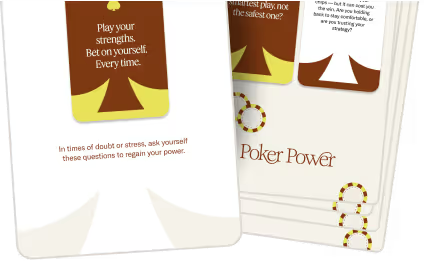
FREE DOWNLOAD
Read Our Confidence Guide
By proceeding you consent to receive marketing communications (such as newsletters, blog posts, webinars, event invitations, and new product updates), and targeted advertising from Poker Power from time to time. You can unsubscribe from our marketing emails at any time by clicking on the "Unsubscribe" link at the bottom of our emails. For more information on how we process your personal information and what rights you have in this respect, please see our Privacy Policy and Terms of Service.