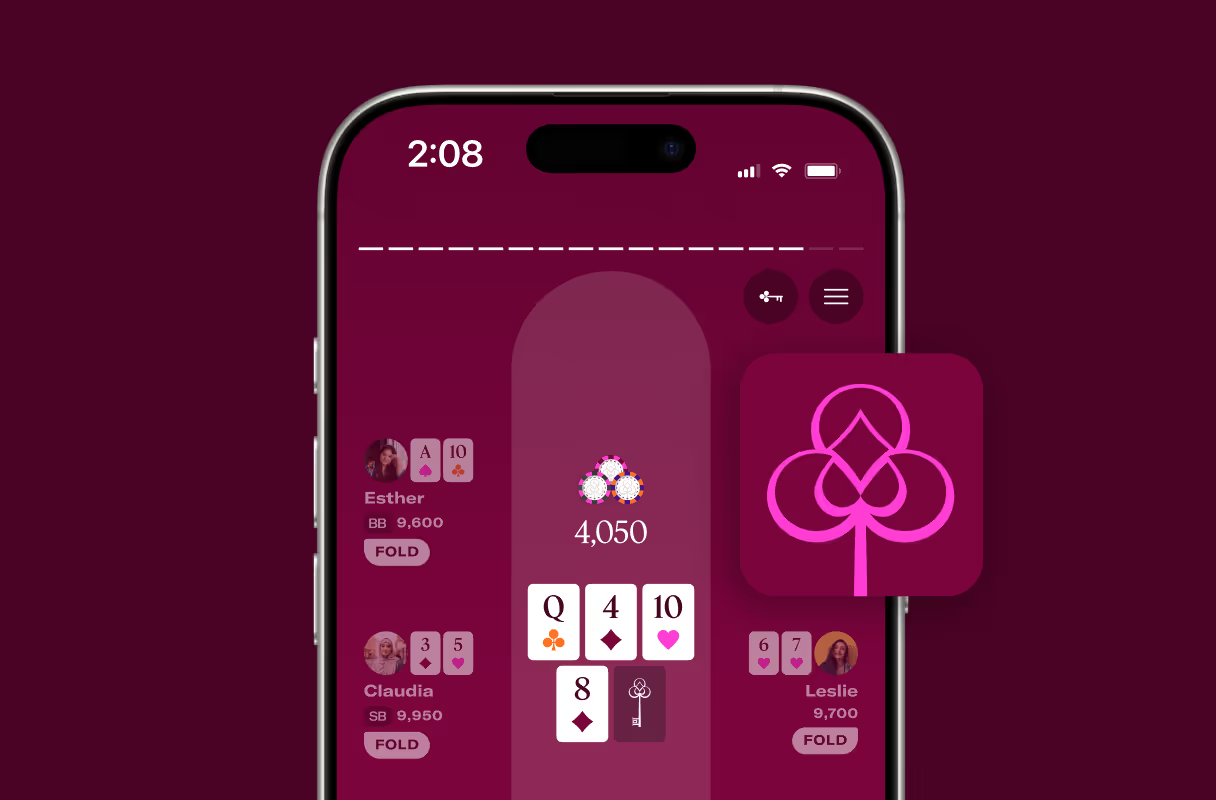
Nobody becomes the most powerful person in the room by accident. They observe it first and take strategic action. In poker, it’s called ‘reading the board’: clocking what's showing on everyone else's face instead of staring at your own hand.
Five women took that exact same read all the way to the top of five completely different fields. You've sensed it before. But, these five women show you what happens when you move on it.
Oprah on Reading the Real Asks
Oprah Winfrey has interviewed more than 37,000 people over her decades-long career, everyone from heads of state to people in the middle of a personal crisis. Over time, she noticed a pattern emerge. "Everyone you meet just wants to be seen and heard," she told CNBC in 2020, summing up nearly 40 years of asking people questions for a living.
When a guest asked how she'd gotten through something hard, what they really wanted to know was whether the situation would be okay for them too. Hearing that distinction turned a 30-minute interview slot into one of the most trusted conversations in the country, week after week — and it works just as well in a performance review as it does in a condolence text.
Ruth Bader Ginsburg on Leading in a Way That Brings the Room with You
Supreme Court Justice Ruth Bader Ginsburg spent a career reading one thing before she drafted a single word: which colleagues needed persuading, and what it would take to get their names on her recommendations.
Accepting the Radcliffe Medal at Harvard in 2015, she put the read into one sentence: "Fight for the things that you care about, but do it in a way that will lead others to join you." She interpreted arguments the way any strong lawyer does. Then she tuned into the room that would rule on it, noting which colleague needed a line softened, so the rest stayed on board. In a collection of her writings and speeches, My Own Words, she muses: "Reacting in anger or annoyance will not advance one's ability to persuade." Trusting that read is what turned her dissents into law a decade later, once enough colleagues came around to her side.
World Bank Leader Ngozi Okonjo-Iweala on Negotiating
Ngozi Okonjo-Iweala (aka: ‘Okonjo the Trouble Woman’) sharpened her read across three different negotiating tables: Nigeria's finance ministry, the World Bank, and now the World Trade Organization, where she became the first woman and the first African to run the institution.
Years later, chairing a stalled WTO trade committee, she gave that same room a different line: “To not only take, but to be prepared to give. To compromise, be flexible and open-minded. To reach out to others, to understand their concerns and find mutually agreeable ways forward." Okonjo-Iweala treats each negotiation as a running score. She updates her read of the room every session, sometimes over years, checking what's changed since the last round.
Prime Minister Arden on Why Soft Skills Are Feats of Strength
In 2020, Jacinda Ardern read a room the opposite way most leaders would have. With New Zealand's economy cratering under COVID lockdowns, she cut her own salary and her ministers' pay by 20%. Asked about the decision afterward, she kept her answer to three words: "it's about leadership." Embrace that mindset.
The read behind her decision ran deeper than the paycheck: Ardern clocked what the country needed to see from its leaders during a lockdown, and acted on it before anyone asked her to. In a 2025 conversation with Indeed's FutureWorks, she named empathy itself as a leadership strength, the same read she carried from parliament through a global pandemic. The room tells you what it needs, if you're paying close enough attention to catch it.
Spanx Founder Sara Blakely on What Makes Failure a Smart Play
Sara Blakely's father asked her the same question at the dinner table every week growing up: "What did you fail at this week?" Then he high-fived her when she had an answer.
She carried that experience into founding Spanx, now a billion dollar company, telling CNBC in 2020 that taking action always beats waiting to feel ready. "My dad taught me that failing simply just leads you to the next great thing," she's said of the habit. That weekly question trained her to treat every stumble as data pointing toward the next move, the same way a strong poker player reads a bad hand for what it reveals about the next one.
These five women were listening long before anyone sat them at a bigger title. The room is always talking. All it's waiting for is your RSVP.