
Whoever speaks last has the upper hand. That's the position everyone chases in a negotiation, assuming that if they stay silent the other will open up first. Silence works. But that version of position treats it like a seating chart, one assigned by whoever sent the meeting invite… and completely out of your hands.
The more useful read: position is a ratio. It's what you've learned over what you've revealed. You build it by asking before you answer. Every question you get in before you name your own number adds to what you know without giving up anything you don't have to. Build that ratio high enough, and you're playing from strength whether you're the first person to speak or the last.
What Poker Players Know About Building Position
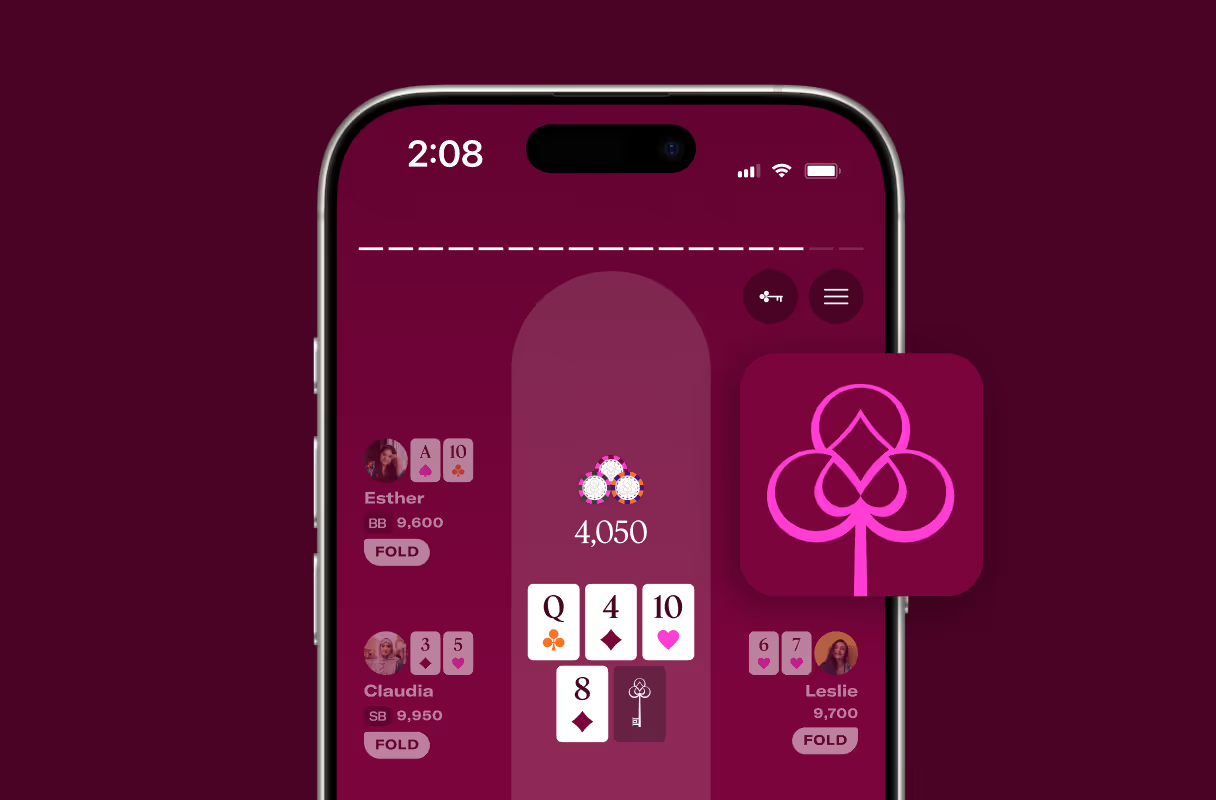
Poker players talk about position as seat order based on who acts last relative to the dealer button. But the players who win with position can make it happen from anywhere at the table. They may ask a question, check the hand, or make a bet sized just to see what happens next, all before they show a shred of real intention.
Off the table, using position strategically has nothing to do with where you sit. Your negotiation advantage exists between what you know and what you've shown.
Questions to Ask Before You Name Your Number in a Negotiation
Traditional negotiation advice says never speak first, and when the time comes, name your number, then wait. Sound advice, but incomplete. It skips one move: ask a question that gets them to reveal their side of the table before you reveal yours. Try one of these:
- Before we talk numbers, walk me through how you're thinking about the budget for this.
- What's the range you had in mind, so I know we're in the same conversation?
- What does success on this deal look like from your side?
Each question does the same job. It gets information moving in your direction before you've given up any of your own. Ask early enough, and the ratio tips in your favor no matter who spoke first.
Some of the time, they'll sidestep it by giving a vague answer, or "that depends," even throwing the question right back at you. Take that as information and ask again, more specifically:
- What range are you working with, even loosely?
If they turn it back on you, try:
- Can you help me understand your priorities first, so we're solving for the same thing?
Either way, a non-answer is still a read. Note where it lands — that's exactly where to press again once you're both talking numbers.
One Founder's Position, Deal by Deal
Deborah runs Hopscotch Labs, a childcare partner for coworking spaces. She negotiates with two very different counterparts: real estate developers who think in square footage, and Chief People Officers who think in retention.
Reading who's across the table in poker taught her to clock what a developer's hesitation or a CPO's vagueness signals, before either one names a number. It also taught her to manage her own signals, so a skeptical partner never mistakes caution for risk. As she puts it, "Projecting a calm, cool, and collected demeanor is of the utmost importance."
That play is the one you want to pair with the questions above: gather info, read the responder, and give away nothing until you've got what you came for.
How to Build Position from Any Seat at the Table
One question moved Deborah from the seat where she was negotiating blind to the one setting the terms. The next time you catch yourself in a similar position, rewind.
You already know how to ask a good question. Your whole career has been about reading clients and sizing up new contacts. So go ahead, ask first in your next negotiation, and watch the whole thing tilt in your favor before any mention of numbers.

FREE DOWNLOAD
Read Our Confidence Guide
By proceeding you consent to receive marketing communications (such as newsletters, blog posts, webinars, event invitations, and new product updates), and targeted advertising from Poker Power from time to time. You can unsubscribe from our marketing emails at any time by clicking on the "Unsubscribe" link at the bottom of our emails. For more information on how we process your personal information and what rights you have in this respect, please see our Privacy Policy and Terms of Service.